

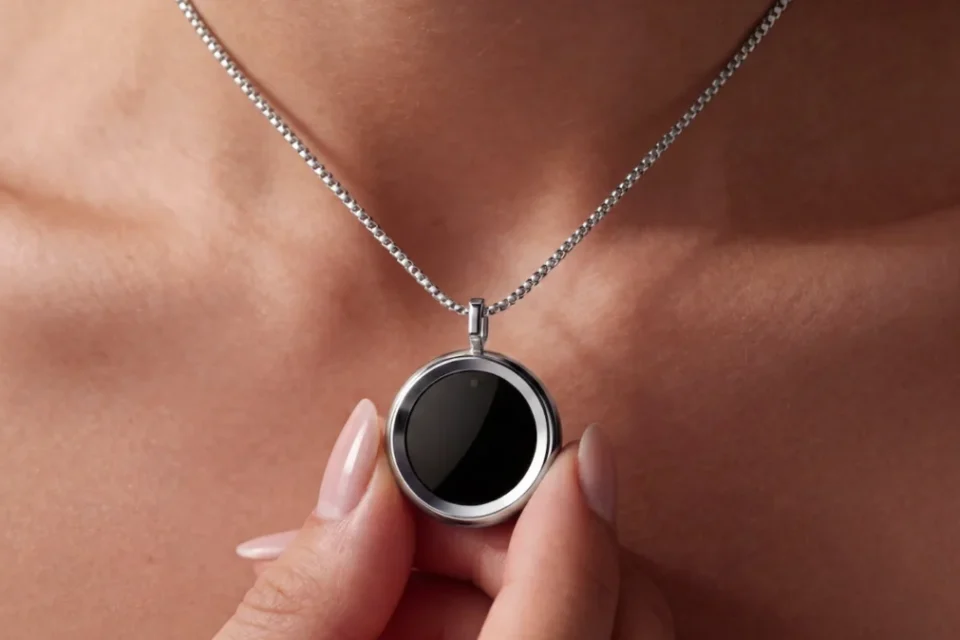
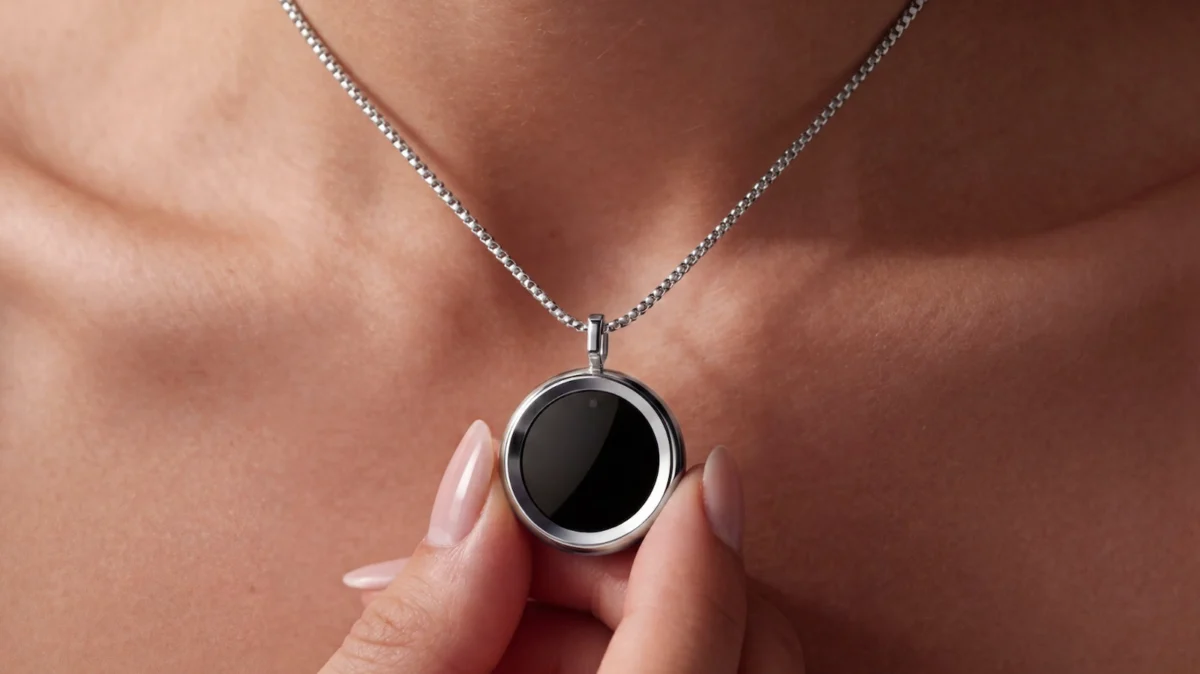
In an era where our wrists are dominated by sleek, screen-heavy fitness trackers, a new entrant is looking to pivot the narrative of wearable technology toward aesthetic elegance and specialized environmental monitoring. Enter "The Gem," a smart pendant from the startup The90, which aims to bridge the gap between high-end jewelry and essential preventative health monitoring. By focusing exclusively on real-time UV exposure, the company is positioning itself not as a competitor to the likes of Apple or Garmin, but as a niche player in the growing "invisible tech" movement.
The Core Concept: Merging Fashion with Preventive Health
At its heart, The Gem is a circular pendant necklace equipped with sophisticated sensor arrays capable of detecting and measuring both UVA and UVB rays. Unlike traditional UV-sensitive patches or bulky clinical hardware, The Gem is designed to be worn as a standard piece of jewelry.
The device functions by continuously monitoring the wearer’s immediate environment. Whether the user is walking through an urban landscape, lounging by a pool, or even sitting near a sun-drenched office window, the pendant tracks the intensity of solar radiation. This data is then transmitted via Bluetooth to a dedicated mobile application, which translates the raw numbers into a personalized "skin profile."
The technology is built on a simple yet profound premise: sun damage is cumulative and often invisible until it is too late. By providing real-time data, The Gem aims to take the guesswork out of skin protection, offering alerts that tell the user exactly when to reapply sunscreen or when to seek shade, based on their unique skin type and current location.
Chronology: From Fitbit Boardrooms to Independent Innovation
The genesis of The90 can be traced back to the career trajectory of its founder, Stacy Salvi. Before establishing her own company, Salvi spent eight years as a key executive at Fitbit. Her tenure spanned the pivotal period before and after Google’s $2.1 billion acquisition of the wearable giant in 2021.
During her time at Fitbit, Salvi was deeply embedded in the culture of mass-market health tracking. However, she identified a growing disconnect: while users were obsessed with counting steps and tracking heart rates, they were largely ignoring one of the most critical environmental factors impacting their long-term health—UV exposure.
- 2013–2021: Salvi navigates the rapid evolution of the wearable market at Fitbit, witnessing the transition from simple pedometers to complex biometric monitoring systems.
- 2021: Following the Google acquisition, the industry landscape shifts, prompting Salvi to consider the untapped potential of specialized, non-screen-based wearables.
- 2023: Development of The Gem begins in stealth, with a focus on miniaturizing UV sensors into a form factor that appeals to a fashion-conscious demographic.
- 2024: The90 officially announces The Gem, transitioning from a prototype phase to a direct-to-consumer sales model.
Supporting Data: The Urgent Need for UV Awareness
The urgency behind a product like The Gem is backed by significant dermatological data. According to the Skin Cancer Foundation and various studies published in journals such as ScienceDaily, UV radiation exposure is the primary cause of premature skin aging and skin cancers, including melanoma.
The complexity of UV exposure is often underestimated by the public. Factors such as altitude, cloud cover, proximity to reflective surfaces (like water or glass), and the time of day create a constantly changing risk profile. Most individuals rely on generic UV indices reported by weather apps, which offer a broad estimate for a geographic area but fail to account for the wearer’s specific micro-environment.
The Gem fills this gap by offering "actionable guidance." While a general weather app might say "High UV Index," the app associated with The Gem processes the wearer’s skin sensitivity profile to calculate how many minutes of unprotected exposure remain before the risk of burning or cellular damage becomes significant. This shift from passive reporting to active, personalized coaching represents a significant upgrade in how consumers manage their relationship with the sun.
The Competitive Landscape: Is It Really a "New Category"?
The90 is positioning The Gem as a "new category" of wearable. While it is true that the pendant form factor is unique, the technology itself has seen previous iterations.
For instance, L’Oreal introduced its "My Skin Track UV" sensor years ago—a small, battery-free wearable that could be clipped onto clothing. Similarly, startups like Shade have experimented with wearable sensors designed to quantify UV exposure. However, these products often suffered from two major hurdles: aesthetics and user adoption. Many of these earlier devices were utilitarian, looking more like medical equipment than accessories, which limited their appeal to the general public.
The Gem attempts to solve the "wearability" problem. By framing the technology as a piece of jewelry, The90 is banking on the idea that users will be more likely to wear the device consistently if it complements their style rather than detracting from it. It is a calculated bet that the future of wearables lies in integration rather than declaration.
Official Response and Market Strategy
In promotional materials and interviews, The90 has emphasized that The Gem is not intended to replace professional dermatological advice. Instead, it serves as a tool for "informed engagement" with the outdoors. The company highlights the following features:
- Personalized Profiles: The app allows users to input their skin type, history of sun sensitivity, and SPF preferences to tailor the recommendations.
- Actionable Windows: Instead of just showing a graph, the app provides "sunlight exposure windows," telling the user when it is safe to be outdoors and when they should take cover.
- Sunscreen Reminders: Smart notifications based on real-time intensity, ensuring that SPF coverage is maintained throughout the day.
The pricing strategy is equally calculated. The Gem is currently retailing for $300, with a limited-time early adopter price of $200. This places it in the realm of mid-tier jewelry, potentially opening the door to a demographic that might be willing to pay for a premium accessory that doubles as a health device.
The Implications: Where Do We Go From Here?
The launch of The Gem raises important questions about the trajectory of the wearable industry. Are we moving toward a future where our jewelry, clothing, and accessories are all interconnected hubs of biometric and environmental data?
1. The Death of the "Screen" Dependency
As tech becomes more integrated into our lives, there is a clear trend toward "invisible tech." Consumers are increasingly fatigued by the constant notifications and screen-time requirements of smartwatches. The Gem represents a move toward "glanceable" or "notification-only" tech, where the device works in the background and only alerts the user when intervention is necessary.
2. The Rise of Micro-Environmental Monitoring
Beyond UV rays, the technology used in The Gem could theoretically be adapted to monitor other environmental factors. Imagine a necklace that tracks air quality, pollen counts, or even exposure to pollutants in real-time. By moving sensors off the wrist and onto the neck or torso, companies can capture data that is more representative of the air we breathe and the environment we inhabit.
3. The Medicalization of Consumer Tech
As devices like The Gem become more accurate, the line between "wellness trackers" and "medical devices" will continue to blur. If an app can accurately predict a sunburn or identify a high-risk UV exposure threshold, will insurance companies eventually subsidize these devices? The potential for these wearables to lower healthcare costs by preventing long-term skin damage is a compelling argument for the growth of this sector.
Final Thoughts: The Verdict on The Gem
The success of The Gem will ultimately depend on its accuracy and the user experience of the companion app. If the device can provide truly actionable data that feels helpful rather than alarmist, it could set a new standard for how we interact with our environment.
While $200 to $300 is a significant investment for a single-function wearable, the value proposition—preventing the long-term, irreversible damage caused by the sun—is one that resonates deeply with an aging, health-conscious population. As we enter another summer, the debate over sun safety will undoubtedly intensify. With The Gem, The90 is hoping to ensure that while the sun may be setting on traditional, bulky fitness trackers, a brighter, more elegant future is rising for the wearable tech industry.
Whether The Gem becomes a staple accessory or remains a niche curiosity, it serves as a powerful reminder that the most important health data often exists outside our bodies, and the tools to manage it are becoming more sophisticated, more stylish, and more accessible than ever before.